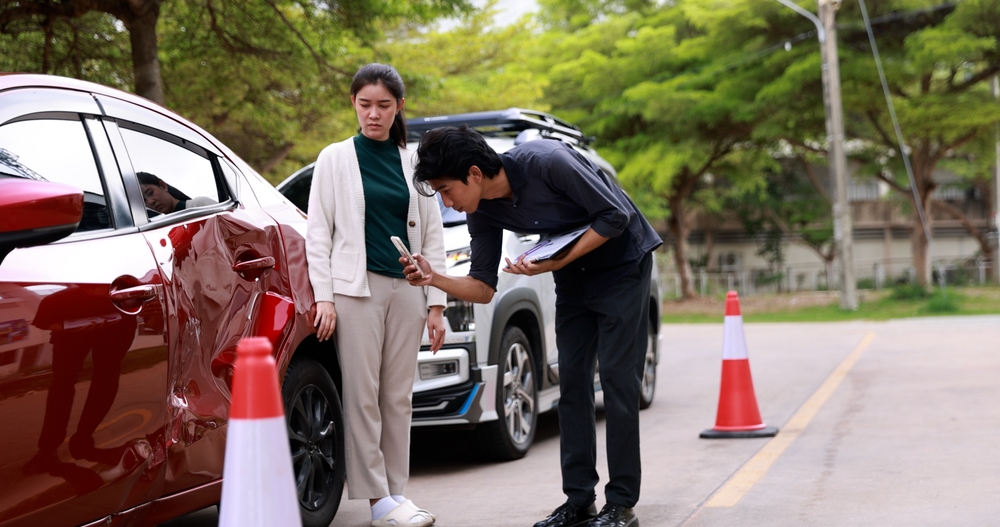
Decisions made immediately after a collision can affect your safety, medical care, and ability to explain what happened when an insurance claim begins. Knowing what to do after a car accident in Utah helps you organize those responsibilities without overlooking information that may become important later.
The Schriever Law Firm will help you underscore immediate priorities, such as preventing further harm, obtaining needed assistance, and preserving an accurate record once it is safe to do so.
Address Safety and Reporting Duties
Why should you stop and request assistance?
Utah law requires a driver involved in an injury accident to stop and remain within the area until the applicable legal duties are fulfilled. It is important to immediately call emergency services when anyone appears injured or faces immediate danger, and follow responding personnel’s directions rather than placing yourself in moving traffic.
On the other hand, Utah Code Section 41-6a-401.7 addresses assistance, information exchange, and immediate notification of law enforcement following an injury accident. Providing required information to an investigating officer can satisfy the statute’s information-sharing exception, so follow the officer’s instructions about exchanging details.
Additionally, Utah’s property damage reporting rule also requires immediate law enforcement notification when a property-damage-only collision produces apparent damage of $2,500 or more. If you are uncertain about the amount of damage or whether anyone was injured, describe those concerns when reporting the collision rather than relying on the other driver’s preference to resolve everything through an informal agreement.
What Information Should You Record
Useful information includes the following details, which can help identify the people involved and preserve conditions that may change after the vehicles are removed:
- Driver names, addresses, and telephone numbers
- Vehicle registration and insurance information
- Witness names and contact details
- Photographs of damage, road conditions, and visible injuries
- Available dashboard recordings and the police report number
Medical Assessment and Follow-Up and Their Role in Your Case
The Centers for Disease Control and Prevention explains that some concussion symptoms do not appear until hours or days after an injury. Feeling well enough to leave the scene therefore does not establish that every injury has been identified or that later symptoms are unrelated.
Tell your healthcare provider how the collision occurred and describe symptoms accurately, including any changes that develop after the initial examination. It is important to follow treatment instructions and keep records of appointments, work restrictions, and recommendations so your recovery and related expenses are documented over time.
Importance of Notifying Your Insurer and Preserving Records
The Utah Insurance Department’s accident guidance recommends promptly notifying your insurer, recording conversations, and keeping towing, rental, and other relevant receipts. Ask which policy benefits apply and what documents are required, while distinguishing your own insurer’s requests from communications with another driver’s insurer.
As such, keeping the following records together makes it easier to connect expenses and missed work to the collision when questions arise during the claim:
- Medical bills, treatment records, and prescriptions
- Repair estimates, towing bills, and rental receipts
- Employer records showing missed work or reduced hours
- Letters, emails, claim numbers, and conversation notes
Describe what you observed without guessing about facts you do not know, and review any requested authorization or release before signing it.
Review Your Next Steps With the Help of A Personal Injury Attorney
If you need help addressing a Utah car accident claim, the personal injury lawyers at The Schriever Law Firm can review the available records and discuss the insurance and legal questions requiring attention. Call (801) 574-0883 today to schedule your consultation.
Categories: Uncategorized